Beyond the Skyline: Discover the Hidden Side of Hong Kong
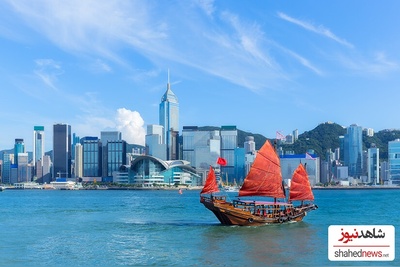
According to SHAHEDNEWS, Hong Kong is often defined by its skyline, an iconic view of glass, steel and light rising from Victoria Harbour. By day the towers shimmer in shades of silver and blue, their reflections rippling across the water as ferries weave between Hong Kong Island and Kowloon. As evening falls, the skyline transforms. Office windows flicker to life, neon signs glow, and the city takes on a luminous energy.
But Hong Kong’s skyline is only the opening scene. The real story of Hong Kong unfolds in layers: vertical and horizontal, traditional and modern, fast-paced and quietly contemplative. It’s a destination where you might begin the day with dim sum in a century-old tea house, hike across mountain ridges before a bowl of wonton noodle soup for lunch, browse niche boutiques in the afternoon, and end with a Michelin star dinner, then cocktails above the clouds in the world’s coolest bar.
Dim sum is integral to the Hong Kong dining experience.
Whether you’re new to Hong Kong, or are seeking a deeper look at this incredible city, you will find that Hong Kong is built on contrast and that contrast is what makes it endlessly discoverable. It’s a city that invites travellers to find their own adventure. You may come for the glittering skyline, the 77 Michelin star restaurants and the niche shopping experience, but you stay for everything beyond it: the islands, the trails, the markets, the neighbourhoods, the wellness experiences, the rituals, the unexpected moments tucked into side streets.
Few destinations compress so much variety into such a small footprint. Within minutes, Hong Kong shifts from dense urban energy to tranquil greenery, from polished luxury to gritty authenticity. Skyscrapers rise beside ancient temples, luxury malls sit across from wet markets, and modern art galleries share streets with traditional herbal shops.
It’s a city that doesn’t force you to choose between experiences, it lets you move seamlessly between them.
The Green City Skybridge and Vertical Garden Walkway in Hong Kong’s buzzing financial district immerses visitors in a multi-sensorial experience.
Choose your own adventure
Morning might begin in Central, surrounded by sleek towers and fast-moving commuters. A short walk later, narrow lanes reveal antique shops, incense-filled temples, and tucked-away cafés. Along streets like Tai Ping Shan, Hollywood Road, and Upper Lascar Row, travellers encounter antique dealers, local designers, indie cafes, contemporary art studios and temples, like Man Mo Temple, one of the oldest temples in Hong Kong.
A stop at the restored Central Market or the heritage-meets-arts compound of Tai Kwun reveals Hong Kong’s ability to constantly reinvent itself. Continue upward, and the city softens into greenery as paths lead into the hills.
The contrast isn’t staged; it’s simply how Hong Kong exists. This fluidity defines the Hong Kong experience. There’s no single narrative; instead visitors create their own. Some chase incredible food. Others seek unique culture. Many come for shopping, while others arrive with hiking boots. Hong Kong rewards every approach. It’s compact, efficient and endlessly surprising. The skyline is spectacular, but Hong Kong’s soul lies beyond it. Step away from the harbour and the city opens into mountains, beaches, islands, and parks. Nearly three-quarters of Hong Kong is green space, a fact that surprises many visitors. Trails snake across ridgelines like the iconic Dragon’s Back trail, quiet beaches like Shek O and Repulse Bay Beach dot the coastline, and country parks offer sweeping views that feel worlds away from the urban rush.
One of the most memorable ways to experience this contrast is to head upwards from Central. Elevated walkways and hillside paths reveal a softer side of the city. Locals practise tai chi, joggers follow winding trails, and visitors pause to take in panoramic views. You don’t need to plan a full-day excursion. A short ride, a quick walk, and suddenly you’re surrounded by greenery, listening to birds instead of traffic. Many visitors come for the city, but return for the green space.
Trails begin almost everywhere, leading from neighbourhood streets into forested hills. Some routes offer gentle strolls, others climb dramatically to sweeping viewpoints. Coastal paths wind past hidden beaches, while ridge walks provide cinematic views of islands scattered across the South China Sea. Even within the city, green pockets appear such as Hong Kong Park. Nestled among skyscrapers, Hong Kong Park opened its doors in 1991 and spans over eight hectares. Take a leisurely stroll, admiring the park’s waterfall, bonsai trees, themed gardens, peaceful lake and swimming koi.
One of Hong Kong’s biggest pleasures is island hopping. Beyond the main urban centres lies a constellation of smaller islands, each with its own personality. Some are known for seafood villages and waterfront cafés. Others offer quiet beaches and hiking trails. Some islands like Cheung Chau invite wandering through narrow lanes filled with craft shops and local eateries. Lantau Island is best known for its natural beauty, but is also home to Hong Kong Disneyland, the iconic Big Buddha and a large mall of outlet stores.
The Dragon’s Back hiking route is one of the city’s most scenic.
Food for thought
Eating is central to Hong Kong’s identity. In a city with over 16,000 restaurants, and 77 Michelin-star restaurants Hong Kong’s dining scene is a treasure trove of unique experiences. From humble street-side snacks to refined tasting menus, Hong Kong offers a spectrum of experiences that reflect its global influences and local traditions. Morning begins with dim sum, shared plates and lively conversation somewhere iconic like Lin Heung Lau. Later, street stalls tempt with quick bites and bold flavours. Afternoon tea introduces pastries and milk tea, while evenings open into a world of restaurants ranging from traditional Cantonese to contemporary fusion.
What makes Hong Kong special is the proximity of it all. A casual noodle shop might sit beside a high-end restaurant. A rooftop bar may overlook a street market. Each district offers its own signature flavours.
Wellness-focused dining is also growing, with restaurants like Yudei, Treehouse and Veda emphasising seasonal ingredients, plant-forward menus, and nourishing broths. Juice bars, tea houses, and mindful cafés add to the mix. Hong Kong’s wellness culture also blends tradition with modernity. It’s as likely to be found in a quiet garden as in a contemporary studio. Reflexology clinics, herbal tea shops, meditation spaces, and tai chi sessions create opportunities to slow down and reconnect. After a long day, stepping into a foot massage clinic offers instant relief.
Tea ceremonies provide another layer of calm. Sitting quietly, sipping carefully brewed tea, and observing the ritual becomes a meditative experience. It’s a reminder that Hong Kong’s energy isn’t only about speed, it also values stillness.
Mong Kok district is known for its street food, affordable shopping and 24-hour energy.
Talking shop
While luxury brands are plentiful, the real joy lies in finding the small streets and hidden corners where unique finds await. Neighbourhoods are filled with independent boutiques, vintage stores, art galleries and craft shops. Some specialise in traditional goods like ceramics, calligraphy tools, herbal remedies. Others focus on contemporary design, fashion, and handmade items. Browsing market stalls becomes an immersive experience with fabrics, souvenirs, accessories, and curiosities displayed in colourful abundance. Antique streets invite slower exploration, with shop owners often happy to share stories behind their collections. Meanwhile, design-led boutiques showcase emerging local creatives.
Just like its shopping experience, Hong Kong’s cultural landscape is also rich and varied. Temples sit quietly amid busy streets, their incense curling into the air. Museums explore art, history, and contemporary creativity. Galleries highlight local talent alongside international voices.
Festivals and traditions add colour throughout the year. Lion dances, lantern displays, and seasonal celebrations bring neighbourhoods to life. Street art has also become part of the cultural fabric. Murals transform alleyways into open-air galleries, adding vibrancy and storytelling to urban spaces. Walking becomes an artistic journey. Cultural discovery often happens unexpectedly: a temple tucked between shops, a small gallery above a café, a performance in a public square. Hong Kong rewards curiosity.
Returning visitors often find Hong Kong reveals something new each time. Restaurants open, neighbourhoods evolve, art scenes grow, and trails beckon. The city never stands still. It’s a city that offers a new experience every visit. Explore a new island. Try a different neighbourhood. Walk a new trail. Sit in a tea house. Browse a hidden boutique. The possibilities are endless and that’s the point.
What truly defines Hong Kong is its energy: vibrant, layered, and welcoming. It’s felt in the hum of markets, the quiet of gardens, the rhythm of ferries, and the buzz of restaurants. It’s a city that invites participation, not just observation. Visitors often arrive expecting a fast-paced urban escape. They leave with memories of nature, culture, food, and unexpected calm. The contrasts create balance, and the accessibility makes everything possible. Hong Kong is not just a destination, it’s a discovery.
Built by wealthy Chinese merchants in the mid-1800s, Man Mo Temple is famous for its classic Chinese architecture.
Sensory dining
These Hong Kong restaurants transport you to new worlds that challenge not just your taste buds, but also how you experience a meal visually, auditorily and tactually.
Jing (WellWellWell)
Located within the grand WellWellWell dining space in Pacific Place, Jing invites inquisitive diners on a visual journey discovering 4,000 years of Chinese gastronomy, from Silk Road beginnings to Qing dynastic dining. The extensive tasting menus are designed to complement a 180-degree screen showcasing a thrilling narrative.
7 Paintings (The Murray)
Over two and a half hours, The Murray’s innovative 7 Paintings dinner show immerses guests in the worlds of renowned artists such as Picasso, Banksy, Pollock and Van Gogh with holographic imagery, puzzle-solving and painting tutorials to pique your artistic abilities. The seven-course meal is inspired by each great painter.
Le Petit Chef Dining Room (Grand Hyatt Hong Kong)
Le Petit Chef made its world debut at the Grand Hyatt Hong Kong, where diners are introduced to the 6cm-tall chef and his world as the dining table lights up with 3D visual mapping that tells a story. Each dish is presented alongside hologram visuals and music.
The Grand Buffet
On the Hopewell Centre’s 62nd floor, The Grand Buffet is Hong Kong’s only 360-degree revolving restaurant capturing every angle of Hong Kong Island and the Kowloon Peninsula. The venue’s a-la-minute buffet concept ensures food is hot and fresh.
Grand Club Lounge at HK Grand Hyatt.
Getting around
Efficient trains, buses, trams, and ferries connect neighbourhoods, islands and attractions in Hong Kong. Travel is quick, reliable and often scenic. The compact geography means you can move from city centre to hiking trail in under an hour. Ferries double as sightseeing journeys. Trams provide a nostalgic way to travel through urban streets. There’s no need to overplan. Decide where to go, hop on transport, and start exploring. It’s this ease that unlocks Hong Kong’s variety. Everything feels within reach.
Hong Kong getaway
Hong Kong’s close proximity to Australia and New Zealand makes it an appealing, accessible destination for travellers seeking a fabulous holiday without a long-haul journey. With flight times of around 9 hours from Australia’s east coast and 11 hours from NZ, Hong Kong sits comfortably within reach for a holiday or extended stopover.
Source: Mindfood