SHAHEDNEWS: The findings of this study offer a different perspective on the long-standing theory that meat consumption played a central role in human evolution.
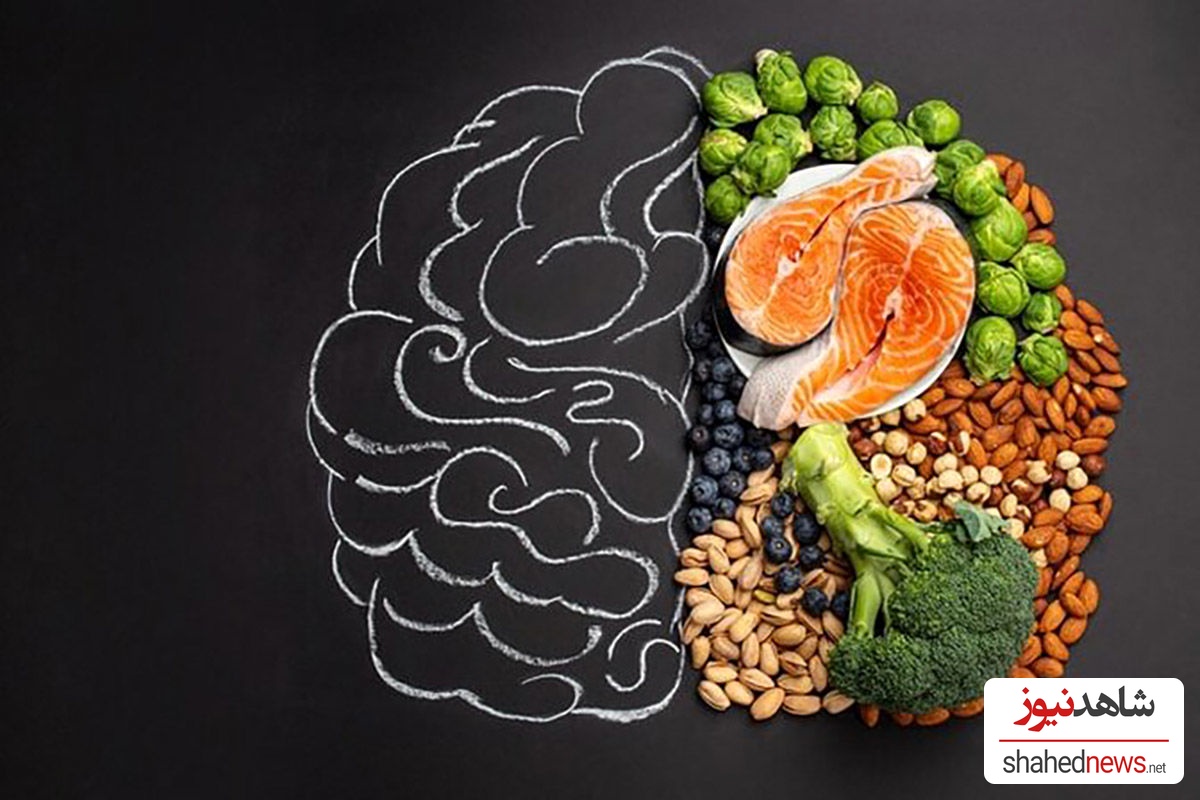
According to SHAHEDNEWS, A group of researchers from the University of Sydney in Australia and the University of Glasgow in Scotland say that, contrary to the prevailing view that meat and other animal-based foods played a key role in the growth of the human brain, the sugars and carbohydrates found in foods such as fruit and honey, and later in cooked starches, may have played a decisive role in the expansion of the human brain over the past four million years.
Although the human brain accounts for only about 2% of an adult's body weight, it consumes roughly one-fifth of the body's energy at rest. In young children, this share can reach as much as two-thirds.
The brain’s primary and preferred fuel is glucose. Although the body can produce some of the glucose it needs from other sources, this process is limited and inefficient. As a result, early humans needed a reliable and consistent dietary source of this sugar.
This study may help explain why humans, particularly children, are so strongly drawn to sweet foods.
Professor Jennie Brand-Miller of the University of Sydney, the study’s lead author, said that “the human brain is unusually large relative to our body size and requires substantial amounts of energy.”
She added: “Glucose is the brain’s primary energy source, and for much of human evolutionary history, this glucose came from carbohydrates found in foods such as fruit and honey.”
The researchers calculated how much glucose the brain, red blood cells, kidneys, and reproductive tissues would have required at different stages of human evolution.
They then compared these estimated glucose requirements with the likely amount of carbohydrates available in the diets of human ancestors — ranging from chimpanzee-like diets that relied heavily on plant foods to the diets of modern hunter-gatherer communities in tropical regions, which contain a greater proportion of animal-based foods.
The results suggest that adults needed approximately 150 to 250 grams of glucose per day, depending on sex and reproductive status, while young children required around 125 grams of glucose per day.
Early human ancestors likely obtained a significant portion of this glucose from fruit, with more than 65% of their energy requirements potentially coming from sugars.
Later, as humans mastered the use of fire, cooked starches, alongside sugars and protein, became an important source of glucose.
Professor Brand-Miller said: “People often think of carbohydrates as bread and grains, but for much of human evolutionary history, carbohydrates came from fruits, honey, and underground plant foods.”
She added: “The earliest evidence of grinding grains dates back around 65,000 years, when we see the first evidence of the use of grinding stones to produce flour.”
To support this view, the researchers point to evidence and clues from fossilized teeth, isotope ratios in ancient remains, color vision adapted to detecting ripe fruit, and genetic adaptations related to sugar metabolism and taste.
The researchers believe that seasonal fluctuations in the availability of fruit and honey may have shaped the foraging behavior of early humans and, in some cases, may even have contributed to the extinction of hominin groups that were less capable of obtaining sufficient carbohydrates.
These findings do not diminish the importance of meat in the human diet, but they suggest that sugar should play a much more prominent role in the story of how we became human, as well as in understanding today’s diet-related diseases.
Professor Brand-Miller said: “Understanding the role of carbohydrates alongside meat, fat, and protein provides a more complete picture of the course of human evolution.”
She said: “Our research suggests that sugars and starches may have played a role in shaping the evolution of the human brain and many of the traits that make us human.”
These findings also offer a fresh perspective on the popular Paleo diet, also known as the Paleolithic or caveman diet.
According to the professor: “The evidence suggests that carbohydrate-rich foods helped provide the energy needed to fuel our growing brains.”
She recommended that “rather than avoiding carbohydrates, it is better to choose healthy, high-quality sources such as whole fruits, legumes, and nutritious whole grains, and to include a variety of carbohydrates as part of a balanced diet.”
The findings of this study were published in the scientific journal Science.









![[VIDEO] Health Benefits of Persimmon + Recipe](https://en.shahednews.net/storage/files/post/33c95cb6-1e8f-405a-85b0-a5c8337e13eb-PzD8D6i7dGBAlsDo/3x2-image.jpg)