SHAHEDNEWS: The term “detox” or “body cleansing” has become one of the most popular buzzwords in the health and fitness industry in recent years. From infused waters and detox juices to teas, supplements and multi-day detox diets, countless products claim they can rid the body of “toxins.”
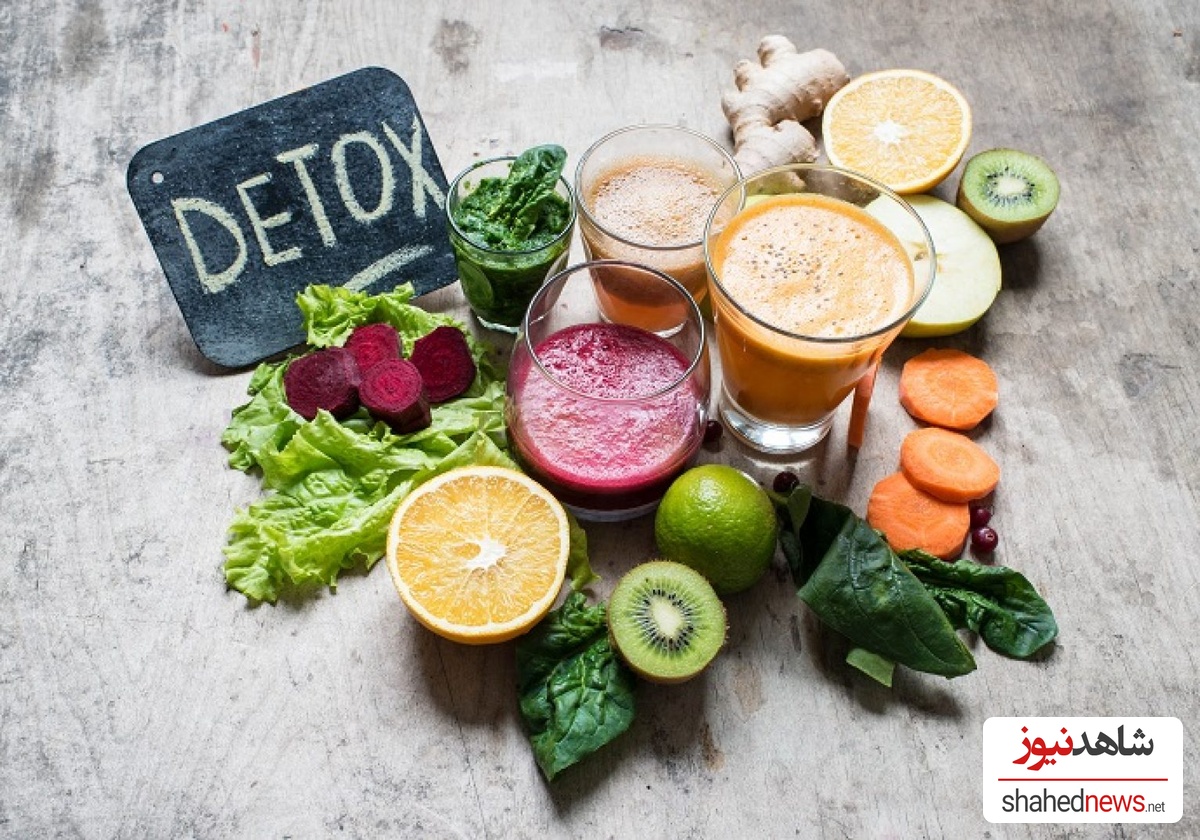
According to SHAHEDNEWS, The first point experts emphasize is that the term “detox” has no clear scientific definition.
In medicine, detoxification refers to the treatment of people who have been exposed to toxic substances, drugs or alcohol and require medical care.
In commercial advertising, however, “detox” usually refers to diets or products that claim to cleanse healthy people’s bodies of “accumulated toxins” — without ever clearly explaining what those toxins actually are.
The human body comes into contact with various substances every day, from air pollutants and traces of certain chemicals to natural byproducts produced by cellular metabolism.
However, this does not mean these substances permanently remain in the body.
In healthy people, different organs are constantly working to identify, break down and eliminate waste products.

The liver is the body’s primary detoxification center.
It processes many medications, alcohol and chemicals, converting them into compounds that are easier for the body to eliminate.
The kidneys filter around 180 litres of blood each day, removing waste products and excess substances through urine.
Some waste products leave the body through the digestive system and are eliminated in the stool.
The lungs also remove carbon dioxide and certain volatile compounds every time we exhale.
Contrary to popular belief, the skin plays a very limited role in eliminating toxins. Sweating more does not mean the body is getting rid of more toxins. The primary function of sweating is to regulate body temperature.
Scientific research has so far found no convincing evidence that detox drinks can improve liver or kidney function or speed up the elimination of waste products.
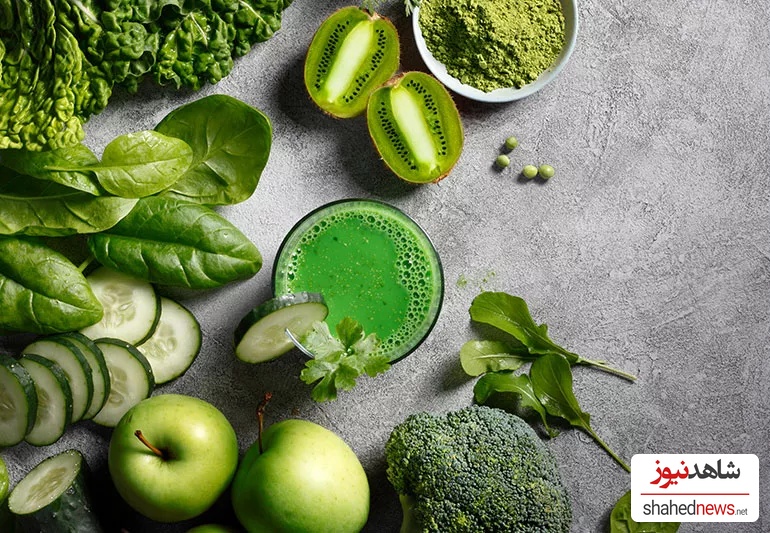
That said, many of these drinks contain fruits and vegetables and can be part of a healthy diet. But that is very different from claiming that they can “cleanse the body of toxins.”
Many teas marketed as detox products contain herbs that act as laxatives or diuretics.
Any weight loss associated with these products is usually due to water loss, rather than fat loss or the elimination of toxins.
Long-term use of some of these products may also cause dehydration, disrupt electrolyte balance or interact with certain medications.
In recent years, some people have equated intermittent fasting or very low-calorie diets with detoxing.
While research suggests that fasting may affect certain cellular processes, such as autophagy, this is different from claiming that fasting cleanses the body of toxins. Research into many of its potential effects is still ongoing.
If the liver or kidneys are impaired by disease, the body may no longer be able to eliminate waste products properly, making medical treatment essential.
Similarly, in cases of poisoning from medications, alcohol or chemicals, patients may require specialized medical care.
These situations, however, are very different from the claims made about detox diets for otherwise healthy people.
Rather than detox diets, doctors generally recommend a few simple habits:
Eating a varied diet rich in fruits, vegetables and whole grains
Drinking enough water according to the body’s needs
Exercising regularly
Getting enough sleep
Limiting alcohol consumption
Avoiding tobacco
Maintaining a healthy weight
The idea of “cleansing the body of toxins” may sound appealing, but scientific evidence so far has not shown that healthy people need detox diets, drinks or supplements to achieve this.
Instead, the human body already has a complex and highly effective system for eliminating waste. Maintaining a healthy lifestyle supports this natural process far more effectively than any short-term diet or expensive detox drink.






![[VIDEO] Health Benefits of Persimmon + Recipe](https://en.shahednews.net/storage/files/post/33c95cb6-1e8f-405a-85b0-a5c8337e13eb-PzD8D6i7dGBAlsDo/3x2-image.jpg)