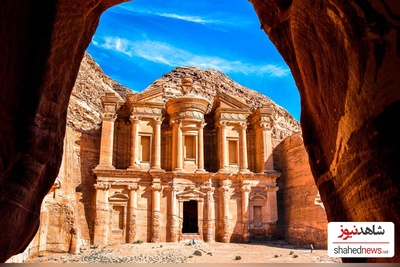
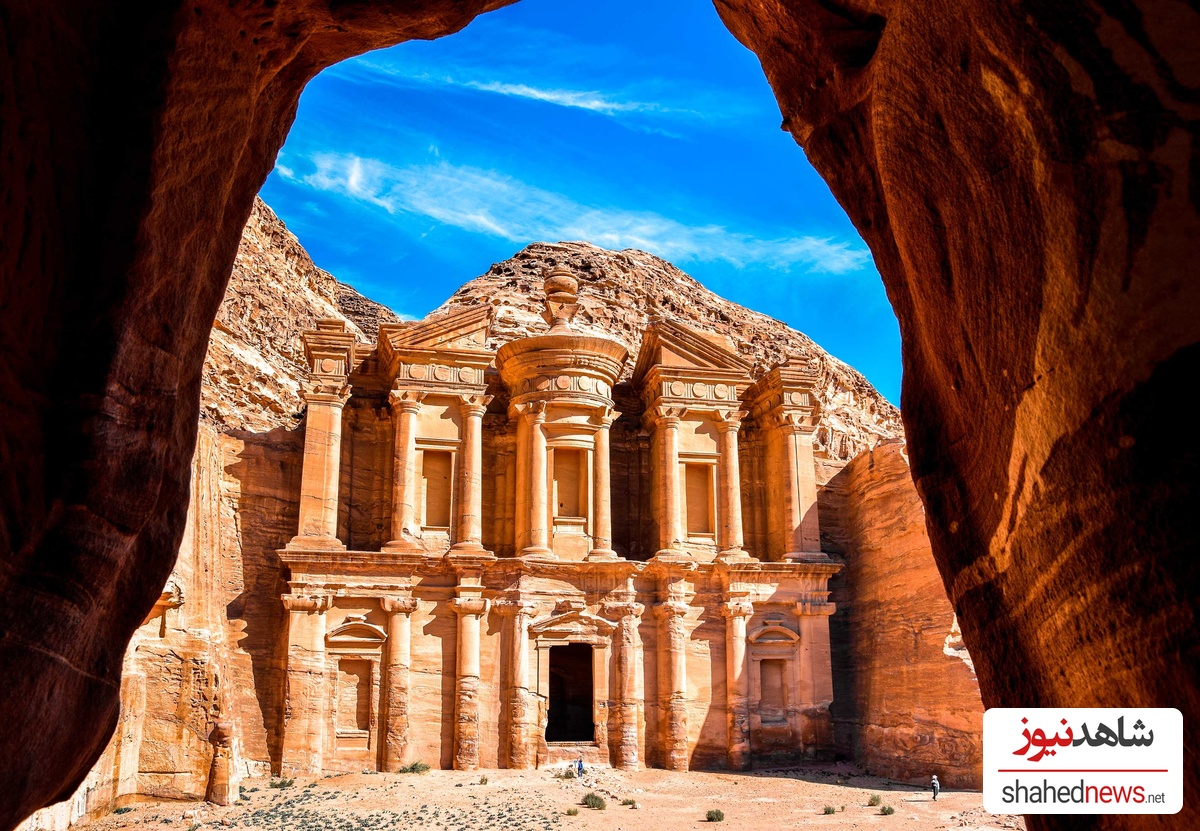
SHAHEDNEWS: For centuries, Petra has stood hidden among the mountains of southern Jordan, preserving the traces of a remarkable ancient civilization. But what was this legendary city really like at the height of its glory?
According to SHAHEDNEWS, Petra is an ancient city and archaeological site located in southern Jordan. It is famous for its remarkable rock-cut architecture and its location among dramatic sandstone mountains and narrow valleys. Often known as the “Rose City” because of the reddish color of its sandstone, Petra is one of the most extraordinary archaeological sites in the world. The area around Petra was inhabited thousands of years ago, while the city itself became closely associated with the Nabataeans, an ancient Arab people.
The Nabataeans established Petra as an important center of their kingdom and eventually made it their capital. Its strategic location allowed Petra to become a major crossroads for ancient trade routes connecting Arabia with Egypt, Syria, and the wider Mediterranean world. The Nabataeans gained wealth by participating in the trade of valuable goods such as incense and spices. Petra's prosperity was closely connected to its ability to control and benefit from these caravan routes.
One of Petra's greatest achievements was its sophisticated water-management system. In an extremely dry environment, the Nabataeans developed channels, dams, cisterns, and reservoirs to collect, control, and store seasonal rainfall. This advanced system allowed a large population to live in an otherwise challenging desert environment. The remains of this hydraulic engineering are an important part of Petra's historical significance and demonstrate the technological skill of its inhabitants.
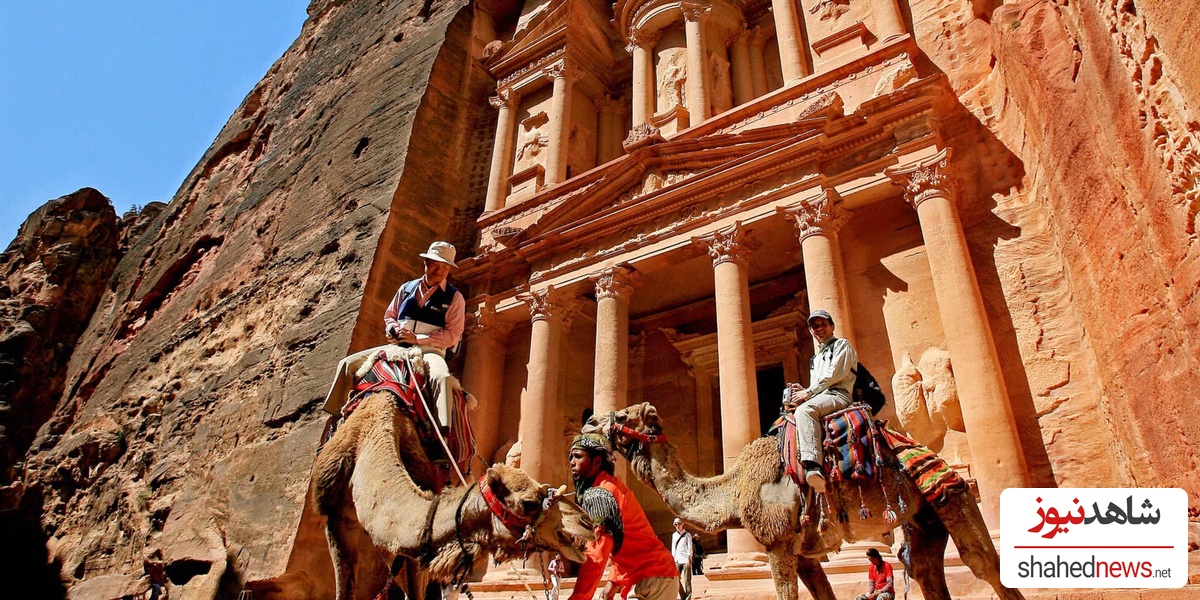
Petra is particularly famous for its monumental buildings carved directly into the sandstone cliffs. Among the best-known structures is Al-Khazneh, or the Treasury, whose impressive façade has become the symbol of Petra. Other important monuments include the Urn Tomb, Palace Tomb, Corinthian Tomb, and Ad Deir, commonly known as the Monastery. Petra's architecture reflects a distinctive combination of Nabataean traditions and Hellenistic influences, creating a unique style that developed over several centuries.

Petra later became part of the Roman Empire in AD 106, when the Nabataean Kingdom was annexed and incorporated into the Roman province of Arabia Petraea. The city's importance gradually declined as trade routes changed, and a major earthquake in AD 363 damaged many of its structures. During the Byzantine period, Petra continued to be inhabited and several Christian churches were constructed. Over time, however, the city declined and was eventually largely abandoned.
In 1812, Petra became known to the Western world again when Swiss traveler Johann Ludwig Burckhardt visited the site. Today, Petra is one of Jordan's most important historical landmarks and a UNESCO World Heritage Site, having been inscribed in 1985. Its extraordinary combination of monumental architecture, ancient engineering, natural landscapes, and evidence of successive civilizations makes Petra an exceptional window into the ancient world.







![[VIDEO] Health Benefits of Persimmon + Recipe](https://en.shahednews.net/storage/files/post/33c95cb6-1e8f-405a-85b0-a5c8337e13eb-PzD8D6i7dGBAlsDo/3x2-image.jpg)